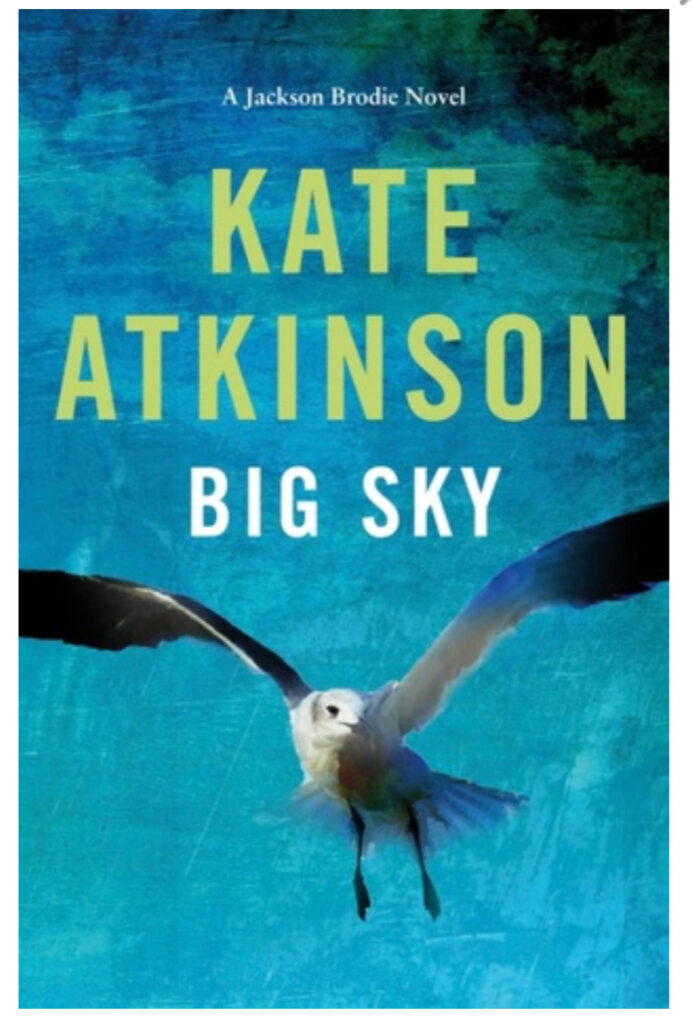
Jackson Brodie is a former British police officer, who now works as a private investigator while trying to figure out his teenage son and deal with a complicated relationship with his ex-wife. In Big Sky, Brodie begins an investigation into a cheating husband but is quickly pulled into something much more complicated and sinister.
I love British mysteries on PBS — series like Inspector Lewis, and Granchester. Big Sky reminds me of these sorts of mysteries, because it spends a lot of time (pages) describing a large cast of (seemingly unrelated) characters before the murder even happens, and then the relationship between the characters comes into sharp relief.
Unfortunately, for me, that shift came too late in this novel and by then, I had lost interest. I suspect that I liked this book less than some because it is the fifth in a series about Jackson Brodie, but it is the first I’ve read. I think if I had been familiar with the characters I would’ve been much more patient as the story unspooled. So, if you are a fan of this series or a fan of Kate Atkinson (who is an amazing writer!), give this novel a shot. It didn’t work for me but your mileage may vary.
I loved Rene Denfeld’s previous novel, The Child Finder, so I couldn’t wait to get started on The Butterfly Girl. Unfortunately, this book didn’t work for me at all. Unlike The Child Finder, where I was so taken with the character of Naomi and completely pulled into her world, here I found her hard to relate to and sometimes downright unlikable. Denfeld’s writing is just as lovely and compelling as always, but the story here is really slow and repetitive. I found myself skimming – never a good sign. This was disappointing. Maybe the next installment will be better.
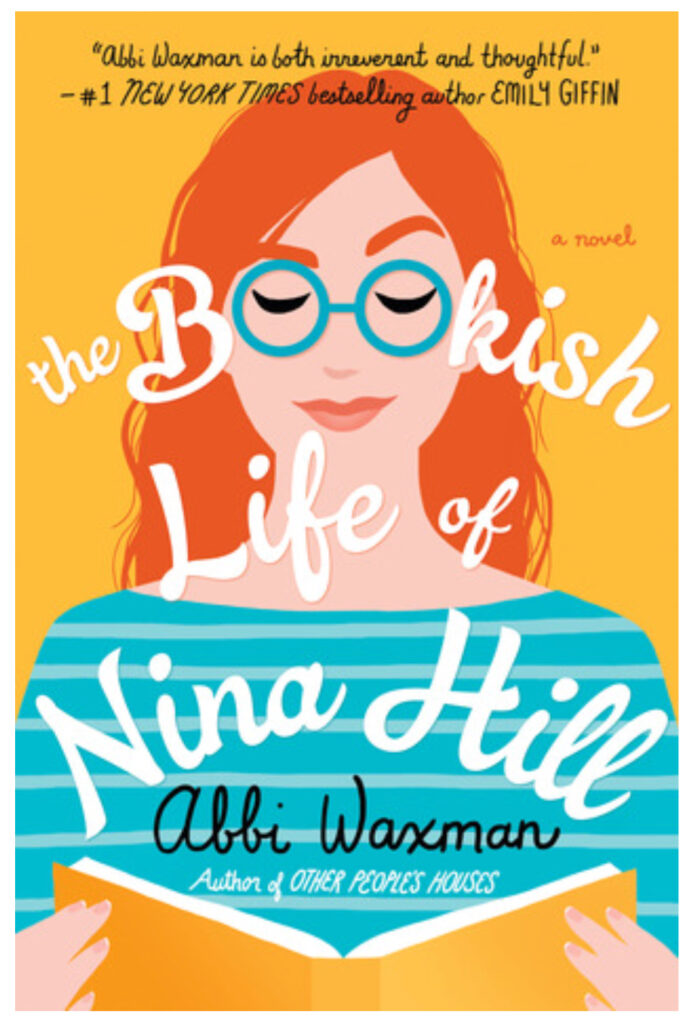
Nina Hill has her dream job in a bookstore, and enjoys her solitary life with her cat and her trivia team. She’s forced out of her comfort zone when she finds out that she has a large, dysfunctional extended family, which is embroiled in a will contest. At the same time, there’s a man on a competing trivia team who catches her eye. How will Nina react to all of these changes in her well-ordered life? Will she retreat back into her comfy shell or embrace new things/people?
The Bookish Life of Nina Hill is just exactly what you’d hope it would be: a charming story, chock full of literary and pop culture references, with a dash of romance, some family intrigue, and a lot of humor. This wasn’t deep or remarkably substantive, but it was fun. I thought the ending was a bit too happy (is that possible?) but it fit perfectly with the rest of the novel, so I was expecting it.
Recommended, especially for fans of Eleanor Oliphant is Completely Fine.
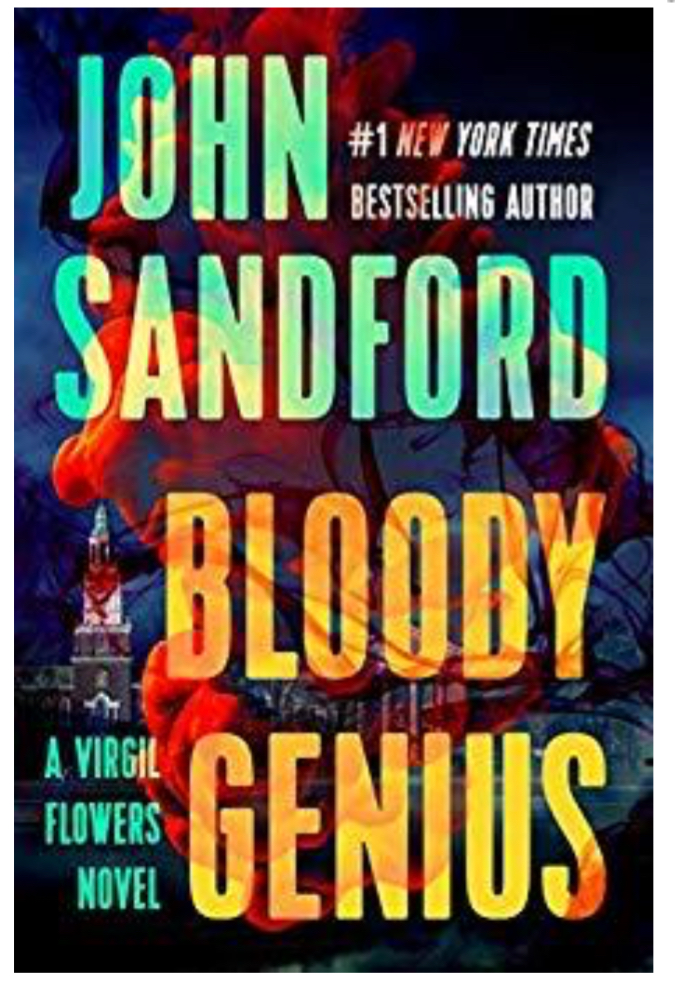
Bloody Genius, by John Sandford (Virgil Flowers #12)
Bloody Genius is the latest in this spin-off series from Sandford’s “Prey” series. The last Prey book was so bad that I’ve sworn off that series (we’ll see if that lasts). But this series, featuring police officer Virgil Flowers, is consistently good. Bloody Genius is actually one of my favorites in the series.
Flowers is a detective for the Minnesota Bureau of Criminal Apprehension. He has a penchant for vintage rock band t-shirts, would rather fish than work, and has a successful side-hustle as a nature writer/photo-journalist. So, he’s not your typical cop. He’s got a unique point of view, while being a good detective.
Most of these books are more crime thriller than mystery, but this book is an exception. It’s much more of a typical mystery (with a clever underlying theme, which I will not spoil for you here), and because of that, I think I liked it even more than the usual crime/thriller Flowers books.
This is easily read as a stand-alone, though you might enjoy it a bit more if you’ve read some of the previous Virgil Flowers books. It’s not a deep novel but it is fun. Perfect for a vacation or weekend read.
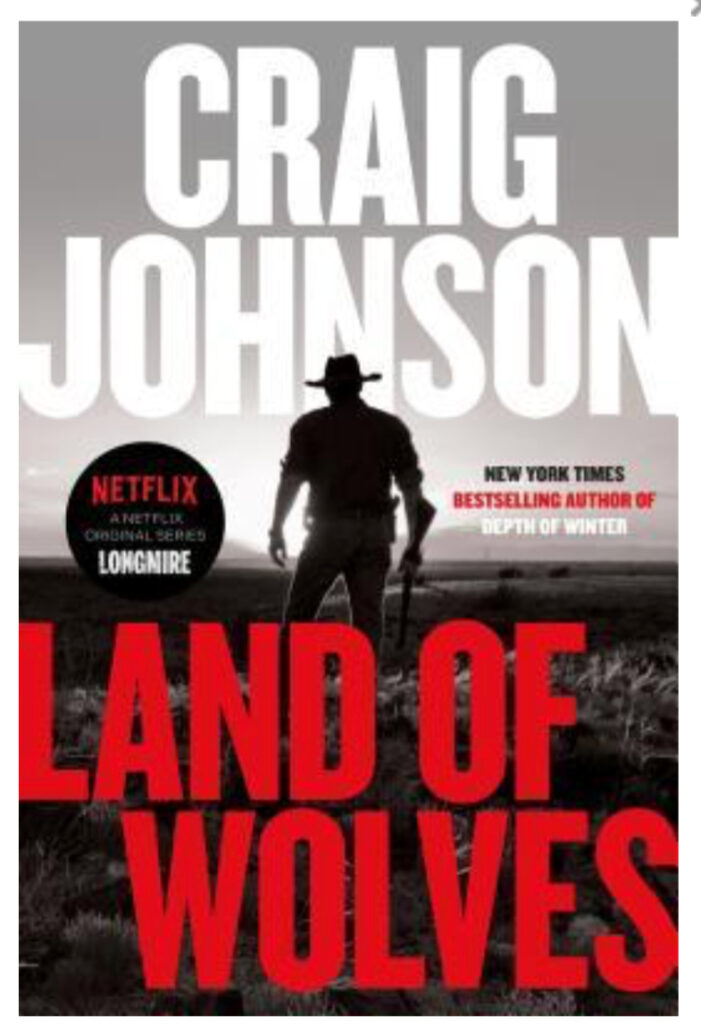
Land of Wolves, by Craig Johnson (Walt Longmire #15)
Johnson’s mystery series featuring Wyoming sheriff Walt Longmire is one of my very favorites (as is the really good TV series based on the books). That said, the last couple of books in this series fell short of my expectations, and as with most long-running series, it’s really hard to keep the series fresh and interesting as it ages. Happily, this book returned to form in very nice fashion: Longmire is back in Wyoming, surrounded by his usual cast of characters, solving a Wyoming-based mystery and coming to terms with his age and his uncertain future.
I enjoyed this book very much! Johnson is a talented writer, and almost every sentence in this novel is either funny, touching, or profound, without being fussy or overly wordy. I was so happy to fall back into the Longmire world for a few hours. I look forward to the next installment in this series, and I highly recommend it (this book in particular and also the series) for anyone who enjoys mysteries.
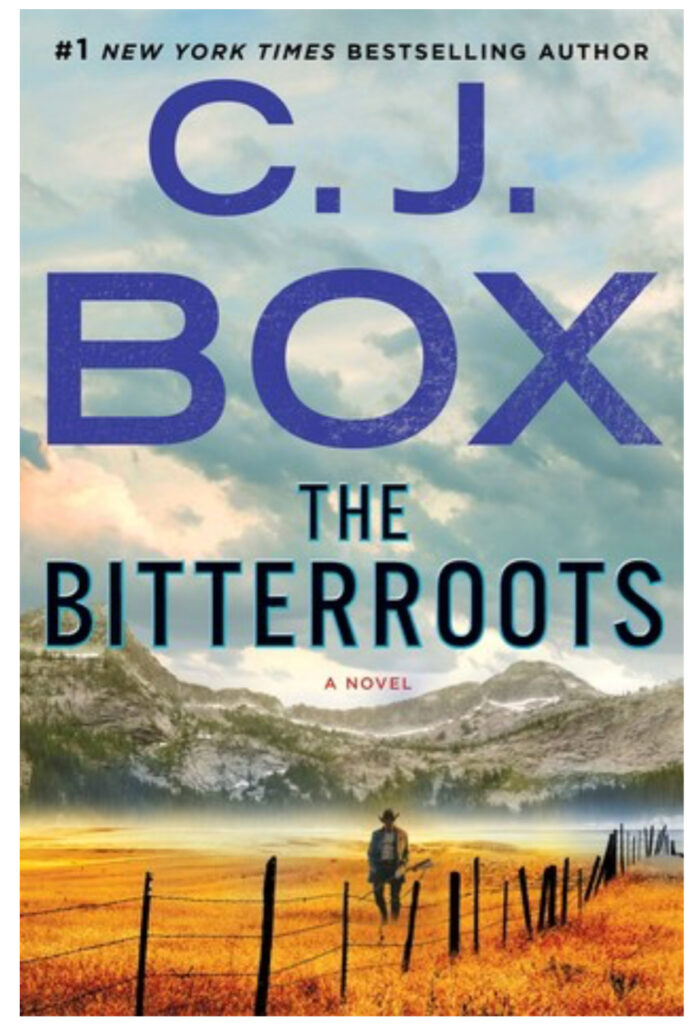
The Bitterroots is not an installment of Box’s long-running Joe Pickett series but rather features character Cassie Dewell, who has been in several of his previous novels. In general, I prefer the Joe Pickett series to this one, but these novels share the wonderful western Rockies setting and are enjoyable.
Here, Cassie has moved back to Montana to pursue a career as a private investigator, and in that capacity she is drawn into a dangerous, multi-generational family conflict related to a sprawling ranch in western Montana.
This book was okay. I loved the western Montana setting, and I appreciated the character of Cassie as a strong female lead. Still, while I’m sure it was unintentional and just bad timing, I found the plot and the characters of the Kleinsasser family in The Bitterroots so similar to the tv show Yellowstone (which, if you haven’t seen it, involves a Montana ranching family and all of their soap-opera-y business – plus the bonus of lots of Kevin Costner – love it!!) that it was distracting. Perhaps if I had not seen Yellowstone I would’ve enjoyed this book more. End the end, I wanted to like this book more than I actually did.
If you are in the market for a western-based mystery series, I think you’re better off with either Box’s Pickett series or Craig Johnson’s wonderful Longmire series (among others).
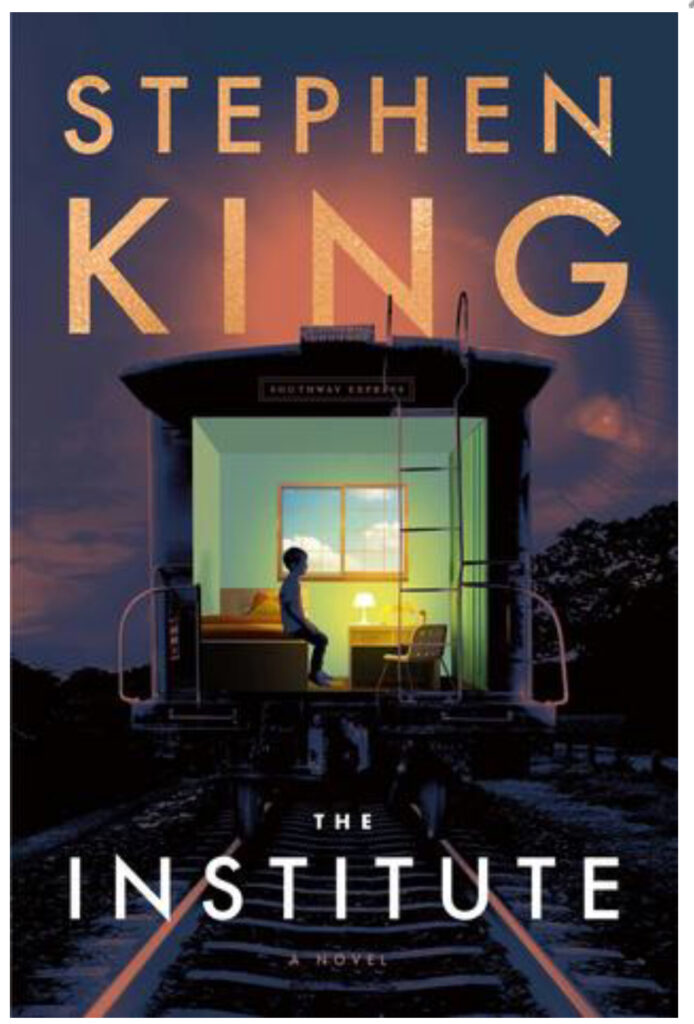
In The Institute, child prodigy Luke Ellis — who also happens to be able to move objects with his mind — is kidnapped in the middle of the night and imprisoned, along with other similarly exceptional children, in a mysterious facility in rural Maine. Meanwhile, former police officer Tim Jamieson is drifting through the southeast, trying to figure out what to do with his life. Through happenstance and luck, their paths cross and Luke’s fate, as well as perhaps the fate of the world, hang in the balance.
This is the kind of Stephen King book that I fell in love with as a kid — it has an intriguing premise and many memorable characters, and unlike some of his other books, the gore factor is pretty low. The children play the starring roles in this novel and they are very believable. The Tim Jamieson character reminded me of Jack Reacher in some of the best of Lee Child’s Reacher novels.
Overall, I really enjoyed this book. My only complaint is that it was too long. I love a long book (indeed, after reading the original published version of The Stand, I happily read the unabridged version when it was released, and loved all 1153 pages of it), but The Institute, at almost 500 pages long, dragged at points. I was tempted to skim. I think the whole book could’ve been tightened up by about 100 pages. Still, the length and level of detail is how King draws you in and makes you feel like you really know the characters (and who am I to suggest edits to Stephen King?).
Highly recommend, especially for fans of Stephen King’s other kid-centered novels (It, The Talisman, etc.).
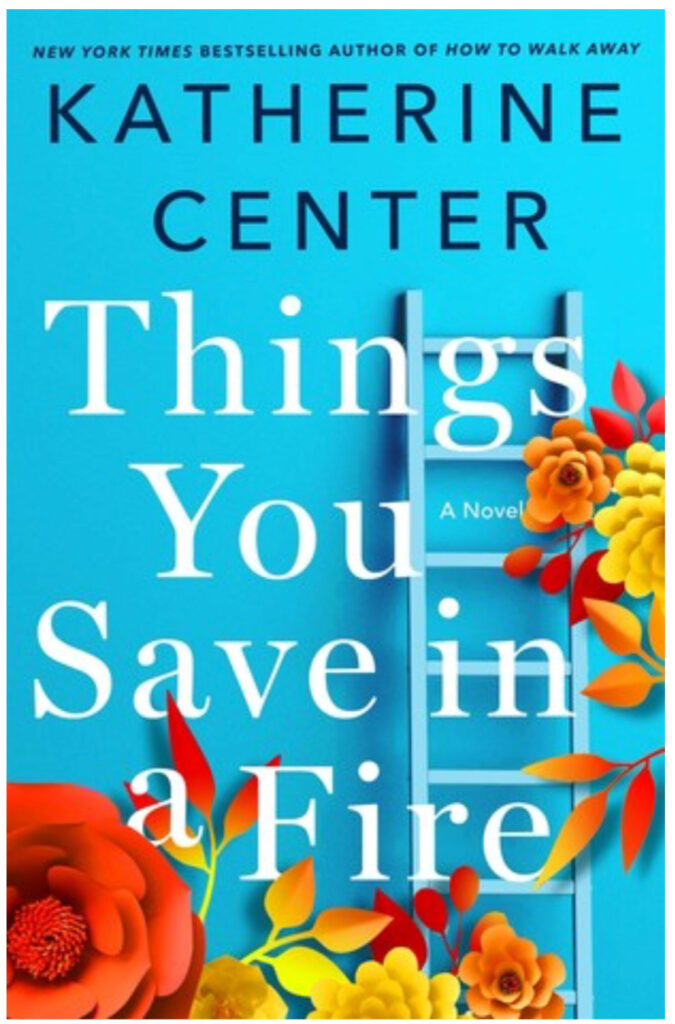
This is the second novel I’ve read by Houston novelist Katherine Center. I didn’t like this one quite as much as the last one (How to Walk Away) but this one is enjoyable. The novel focuses on paramedic and firefighter Cassie Hanwell, who deals with a past personal trauma while moving to the northeast to help her mother during a medical crisis. The firefighting details are interesting and I liked the main characters.
The writing here is definitely a cut above a typical genre romance, and much of the story is charming and engaging. That said, this is really a straight-up romance novel, and romance is not a genre I particularly enjoy. (I like a good love story, and a well crafted romantic story line is always welcome in a novel, but genre romance is not my thing.) I was reminded of that while reading this novel, as there were a number of times that I found myself rolling my eyes.
This is basically a good rom-com with some serious underlying themes of trauma and forgiveness. If you do like romance novels, I highly recommend this one – I think you’ll love it. If not, I’d skip it.
A Dangerous Man, by Robert Crais (Elvis Cole #18, Joe Pike #7)
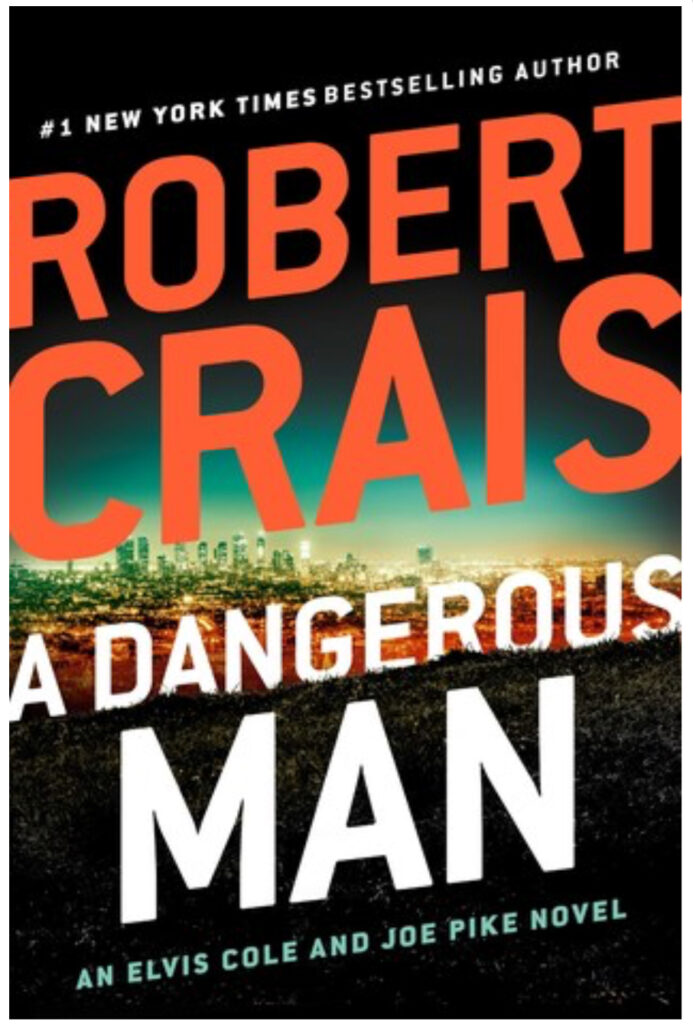
Robert Crais writes two wildly popular series featuring wise-cracking private investigator Elvis Cole and his ex-military, ex-mercenary side kick, Joe Pike. Some of the books focus more on Cole as the main character, and others on Pike, with Cole only as a minor character. A Dangerous Man is a Pike-centric story, where Pike happens to be on the scene at a bank when a bank teller is kidnapped. He quickly rescues her, and then tries to keep her safe from a band of mysterious bad guys.
These books are not high literary art, but I enjoy them for the same reason I like (or used to like) the Jack Reacher series: sometimes you just need mindless entertainment where a really bad-ass guy (or gal!) takes on the bad guys and wins. This is that kind of entertainment, and I enjoyed it for that reason. Some of the characters are one-dimensional, in particular the young female characters (who do a LOT of giggling, for some reason), but this is not the kind of book that you read for deep character descriptions. The dialogue with Cole is snappy, Joe Pike makes the bad guys pay, and for a few hours, the real world fades away.
Give these two series a shot if you’re looking for fun, entertaining crime fiction.
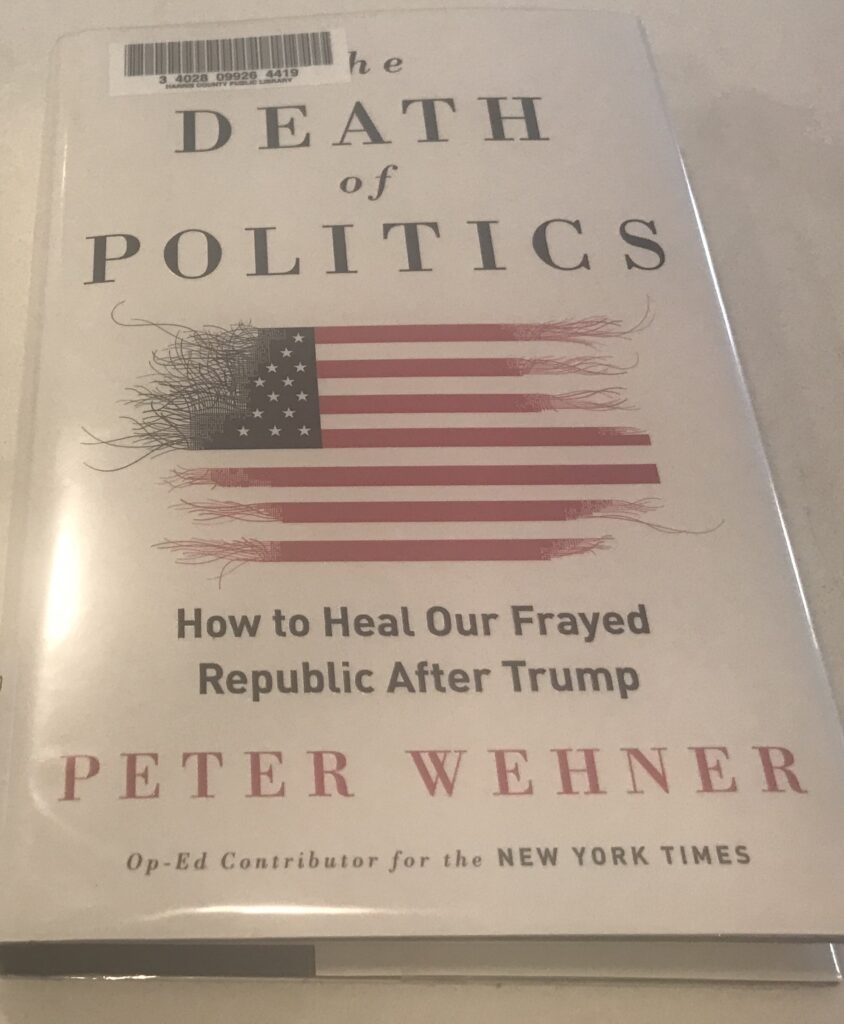
In The Death of Politics, Peter Wehner argues that our uniquely American political tradition is dying, and that the death of that tradition is having and will have terrible consequences for our country. Wehner worked in three different Republican administrations, spending three decades in the highest levels of government. Ultimately, he spent seven years in the George W. Bush White House as deputy director of speechwriting and then as Director of the Office of Strategic Initiatives (which was basically an in-house think tank). He also worked on the staff of two presidential campaigns – George W.’s re-election campaign and Romney’s 2012 campaign. So, it would not be an overstatement to say that he spent the vast majority of his working life as a committed Republican.
Wehner begins by analyzing “how we ended up in this mess.” He believes that Trump is unfit to be President, and in fact is “precisely the kind of person our system of government was designed to avoid, the type of demagogic leader our founders feared.” If that’s the case, how did we get here? He argues that Trump’s election is the result of a toxic combination of a contempt for politics and politicians, along with demographic disruptions, economic anxieties, and political polarization.
After analyzing how we got to the current state of our political discourse, he provides detailed suggestions for ways that we might move forward toward healing. He argues that we need to restore the idea that politics is a serious craft, deserving of respect and also of candidates who are worthy of that respect. He thinks faith, civics, moderation, compromise, and civility should be modeled by each individual in their own communities, in an attempt to raise the level of our public conversation and move the culture to a more positive place. He explains:
“The task of citizenship in America today is not simply to curse the political darkness but to light candles. This can be done one person at a time, in your neighborhood and city, at a homeless shelter and a school board meeting, at neighborhood gatherings and city councils, and in countless other settings.”
The Death of Politics stands as a reminder, and maybe a harbinger, that the “qualities that the most active and engaged Americans demand in politicians is what they will get. If enough citizens lend their hands and hearts, their voices and votes to men and women who embody, even imperfectly, intellectual rigor and wise judgment, mastery of government and moral integrity, our politics will be transformed. But we have to care enough to act. We can’t be a nation of onlookers.”
Wehner believes that the problems we currently face as a nation are not beyond our capacity to repair, but that in order to do so we must “recover a sense of the importance of politics, a respect for the craft of governing and the value of competence and excellence.”
I grabbed this book at the library but soon after starting it I wished I had bought it instead, because I found that I wanted to underline something on almost every page. I will probably buy a copy and re-read it with a highlighter handy. This book really spoke to me on an emotional level — not only because I can indentify with Wehner ideologically, but also because I have become so discouraged about the state of our politics that I sometimes wonder if I’m actually teetering on the verge of clinical depression. This book provided a necessary spark of hope for me, as well as an important reminder about the critical importance of our political traditions. Maybe it can do that for you, too.
I highly recommend this thoughtful book. Let’s light some candles!