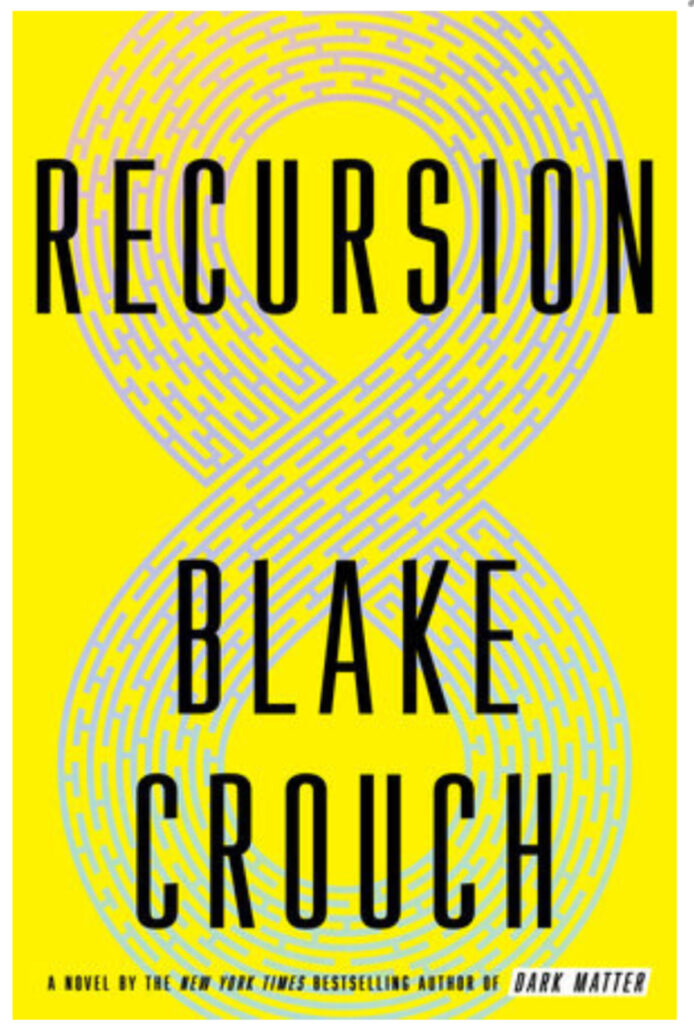
In Recursion, NYPD detective Barry Sutton investigates “False Memory Syndrome,” by which people are tortured with memories of a life they never lived. Meanwhile, brilliant research scientist Helena Smith races to find a cure for Alzheimer’s disease before her mother succumbs to the illness. Their paths and timelines cross, as Barry discovers the terrible truth behind the false memories and Helena tries to undo the horrible damage she has unwittingly unleashed.
For me, this novel was kind of like the movie Inception, but in book form, in that I had a hard time following it and I’m still not exactly sure that I understand what happened. That said, I enjoyed it a lot. I found the first half of the book utterly gripping, while the second half was a bit repetitive and probably too long. Still, I really liked this book.
Any story dealing with time travel is tricky. It’s hard to do it well without it seeming gimmicky or falling into all sorts of logistical problems. I think Recursion largely succeeds, though as with all time travel stories, it’s probably best to enjoy the story and not overthink the science. I think I enjoyed the book mostly because I was drawn to the characters and wanted to see how their stories ended.
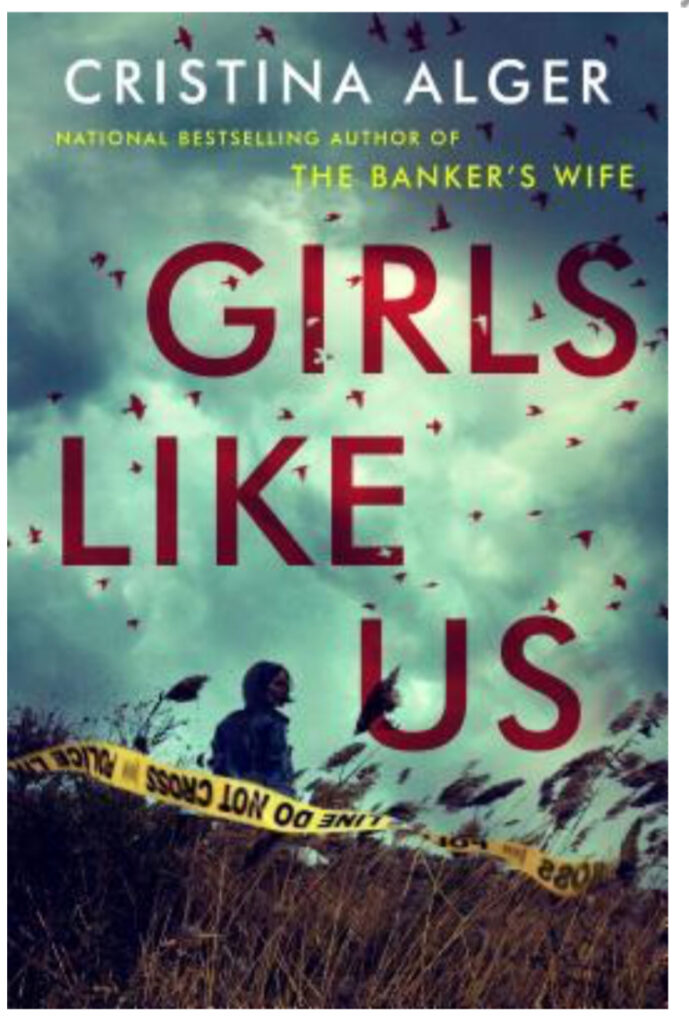
Thanks to Christina Alger, Penguin Group/Putnam, and Netgalley for providing me with a digital advance copy of this novel. Girls Like Us should be on the to-read list of all mystery lovers! I loved this book – a layered, beautifully written, complicated mystery that kept me guessing and hooked until the last page.
FBI Agent Nell Flynn is estranged from her father, a Long Island homicide detective. She hasn’t been back to her hometown in ten years, but she returns after her father’s sudden death, and finds herself pulled into an investigation of multiple murders. Was her father involved? Are the recent murders somehow related to the murder of her own mother, decades earlier?
I particularly enjoyed all of the strong, smart female characters in this novel. I was sorry for it to end! I look forward to reading more from this author in the future, and I hope this is the beginning of a new series.
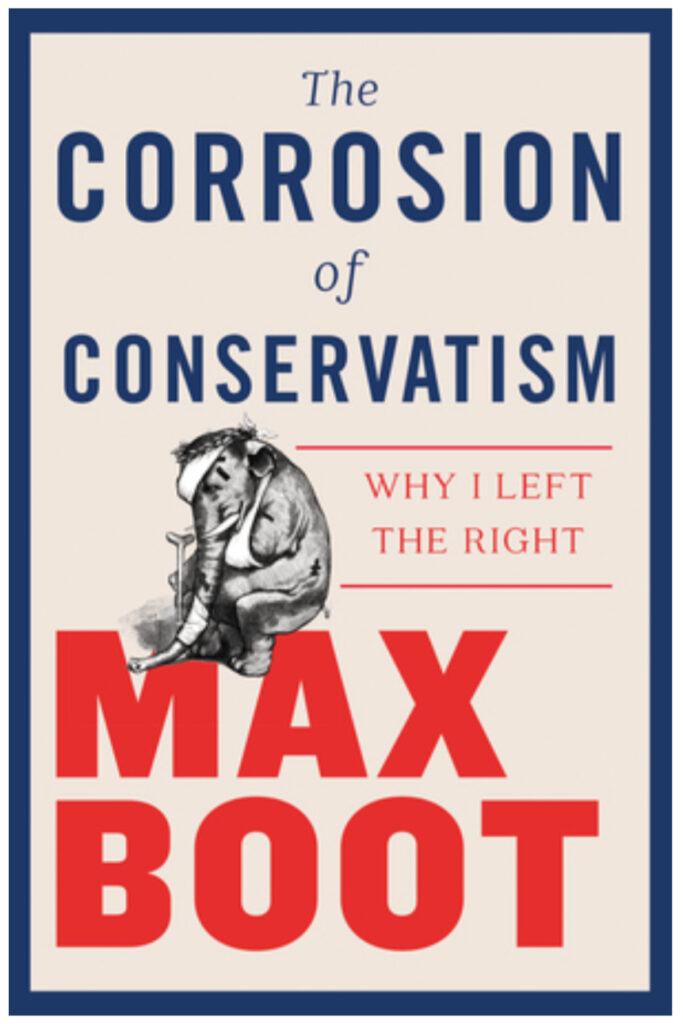
I, like Max Boot, find myself “politically homeless,” so this book really spoke to me and in many ways echoed my own political journey. Boot is an excellent writer and historian, and this is an enjoyable read, though anyone who closely follows the news may find some of his detailed descriptions of recent events a bit tedious. Lots of food for thought here, especially for those who are disillusioned with the current Republican party.
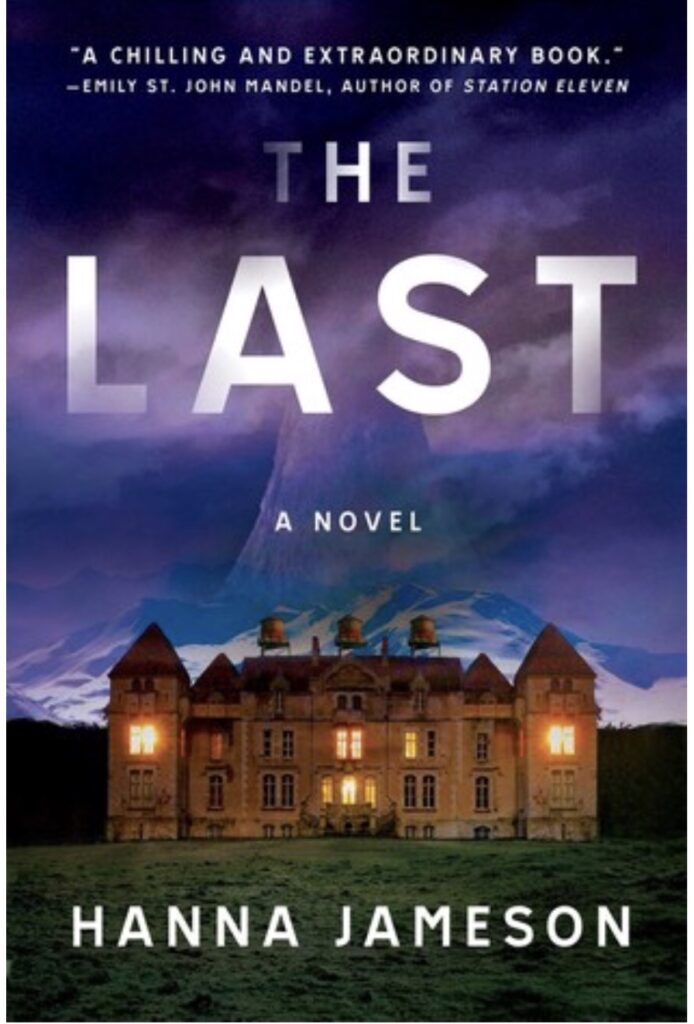
Disappointed in this one – good dystopian hook, unevenly executed. I had so looked forward to this book and was excited to get it from the library, especially since it was recommended by Emily St. John Mandel, who wrote one of my all-time favorites, Station Eleven. Sadly, it did not live up to that comparison.
The Last follows a group of people who are stranded at a hotel in the Swiss Alps following a nuclear war. Great hook! But it just didn’t work for me: at times I was bored, other times confused. I did not find the characters likable, and so I wasn’t really rooting for anyone. People spent a LOT of time zoned out doing drugs and just generally laying around – for a doomsday scenario, it didn’t make a lot of sense to me. And the ending – didn’t love it.
I feel like this could have been so much better. Pass.
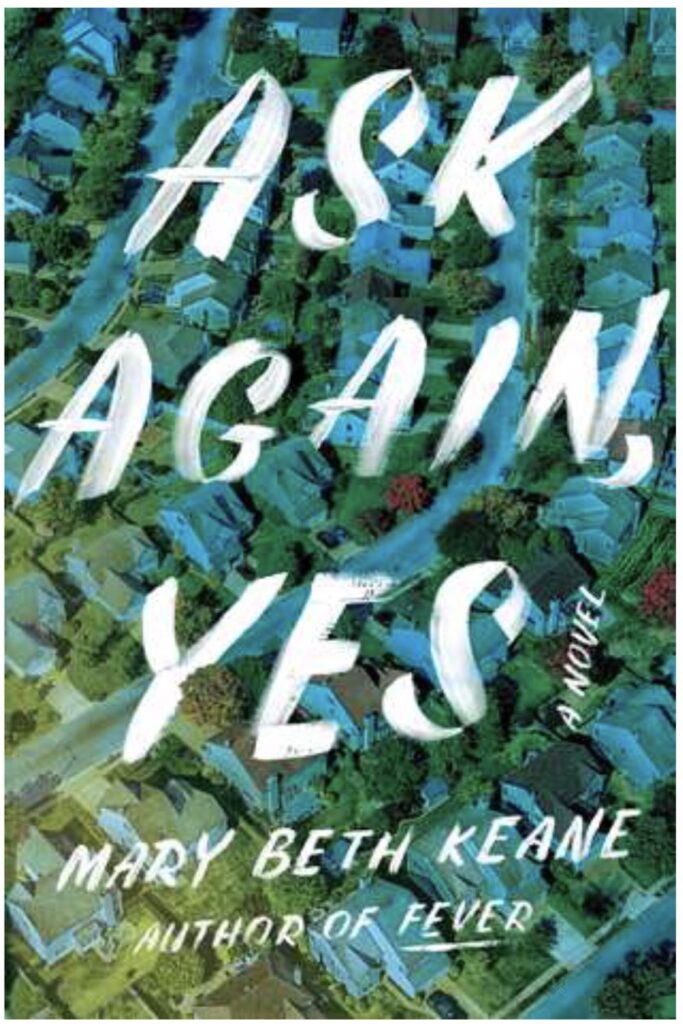
Touching family saga, centered around the love story of childhood sweethearts. I was so invested in the characters that I couldn’t put it down – I needed to know how it ended!
This novel is beautifully written, heartbreaking, and insightful. I need to look up Keane’s previous novels – I hope they are just as good!
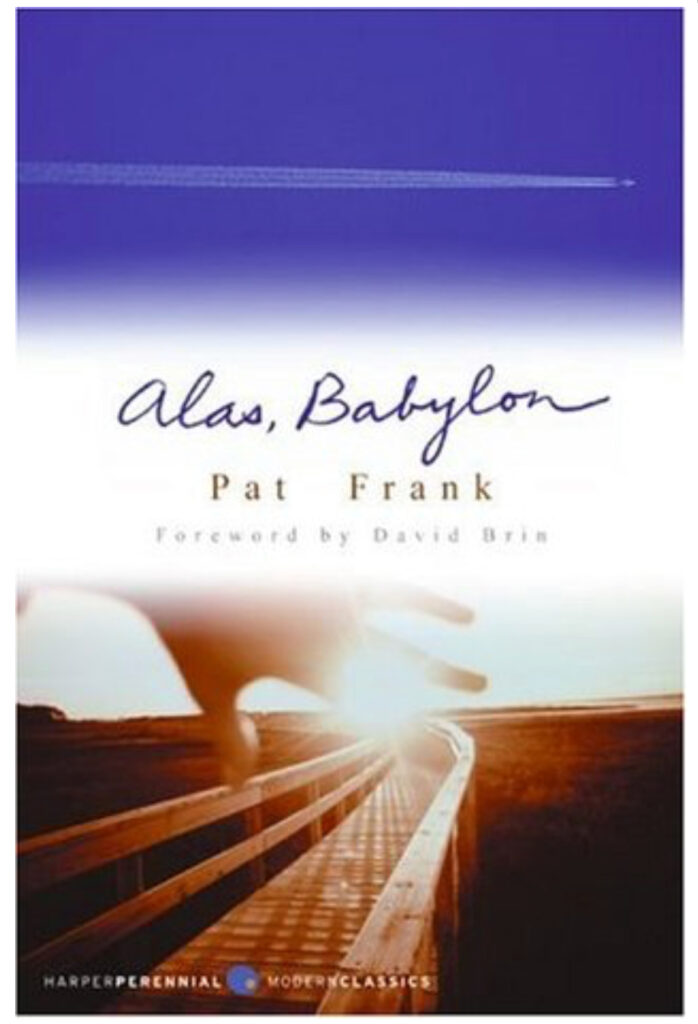
This was one of my daughter’s choices for 10th grade summer reading. It sounded interesting and I was surprised that not only had I not read it, I hadn’t heard of it before.
Set in the late 1950’s when fears of a nuclear war with Russia were high, this novel follows the story of a handful of people in the small Florida town of Fort Repose as they try to survive in the aftermath of a nuclear war.
I’m always drawn to these post-apocalyptic novels because I’m fascinated by the details of how people would survive in these dystopian scenarios. Here, the details are interesting because even though this book was written over 50 years ago, before so many modern technological advances like cellphones, the basics of survival seem like they would be the same even today. I was interested in the story and the characters, and wanted to see how the book ended.
That said, I think the novel is limited by a few things: 1) while fitting with the time the novel was written, many of the characters are stuck in (now) outdated gender and race roles, which I found jarring. The racism and the language associated with that is pretty horrifying. The women in the story, while quite capable, are confined to cooking and sewing, and often utter diaglogue that – in context – just seems silly. A lot of “oh, darling!” and that sort of thing; 2) the character development is quite superficial and I think the novel could’ve been much more impactful if the feelings of the characters had been explored more; and 3) I felt that the novel underplayed the likely horrors of the aftermath of a nuclear war. In that respect, the travails of Fort Repose seem almost quaint.
Glad I read it, as it is a classic of the genre, but not sure I can enthusiastically recommend it. I’ll be interested to see what the 10th graders and their teacher have to say about it!
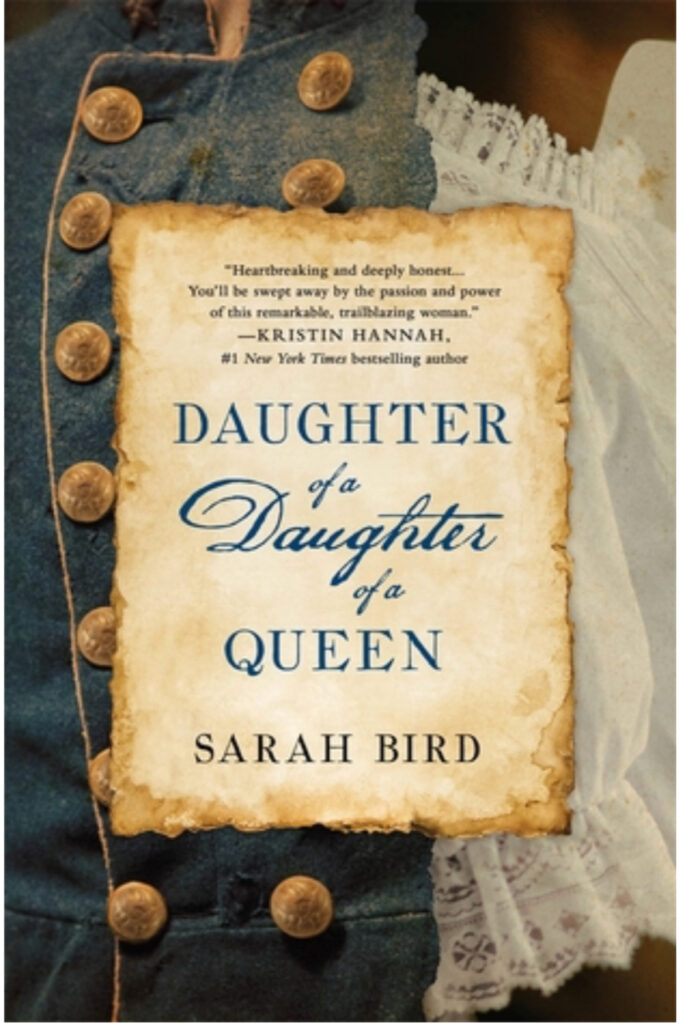
Captivating historical fiction, based on the amazing true story of Cathy Williams, a former slave who pretended to be a man so that she could serve with the famed Buffalo Soldiers. Interesting, witty, heartbreaking, suspenseful – this was a wonderful story from start to finish. Highly recommend!
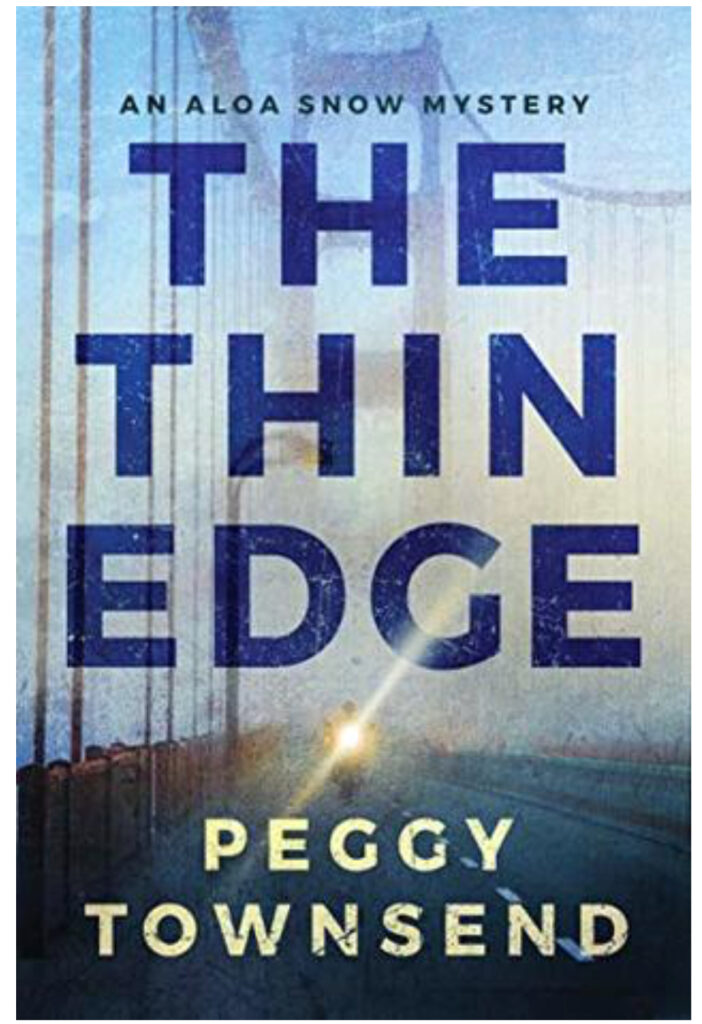
Thanks to Peggy Townsend, Thomas & Mercer, and Netgalley for providing me with a digital advance copy of this novel.
The Thin Edge is Peggy Townsend’s second novel featuring journalist Aloa Snow. This novel picks up shortly after the last one left off, and I was happy to fall back into the life of Aloa and her quirky cast of friends. Here, Aloa investigates the brutal murder of the wife of a former FBI agent, who has been rendered a paraplegic as the result of a tragic accident. I found this mystery interesting and the characters engaging. Townsend does a great job of describing San Francisco, and she creates characters (like Aloa’s older group of sidekicks) who are interesting, likeable, and believable. I didn’t enjoy this novel quite as much as the first one, See Her Run – I figured it out early on, and I found the side story involving the homeless murders distracting and not fully developed/explained. Still, I enjoyed this novel and would recommend it. This is a series to watch!
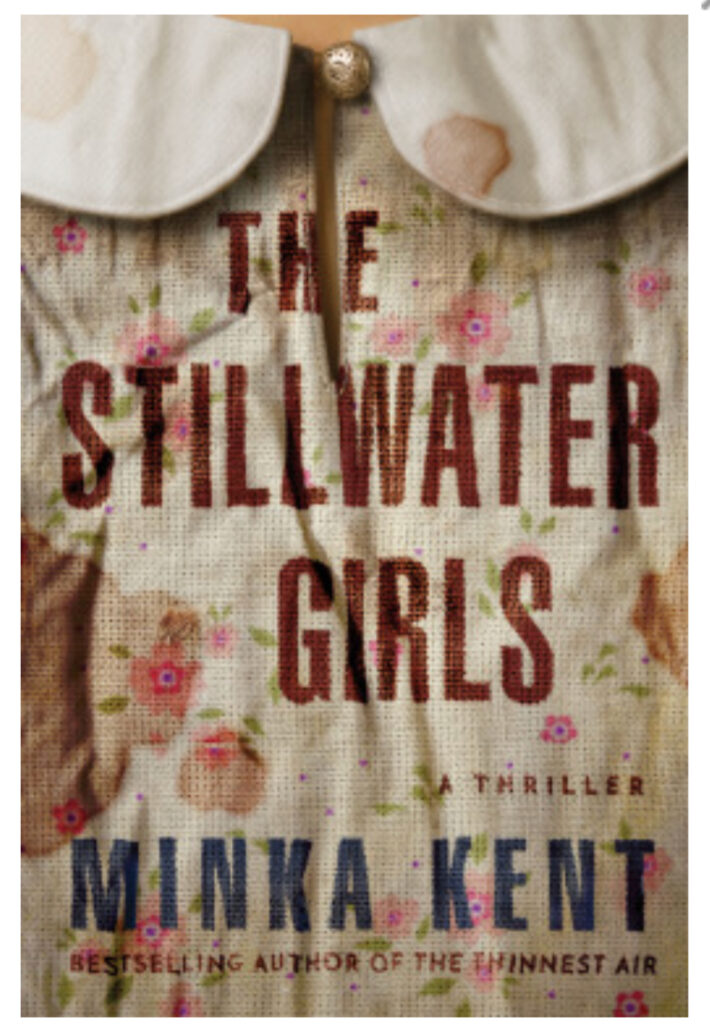
Thanks to Minka Kent, Thomas & Mercer, and Netgalley for providing me with a digital advance copy of this book in exchange for an honest review.
Sisters Wren and Sage have lived off the grid with no knowledge of the outside world, until their mother leaves them to seek help for their younger sister and never returns. Nearing starvation and desperate as winter approaches, their situation becomes even more dire when a strange man breaks into the cabin. The sisters are forced to flee into the woods where they not only must face the unknown world, but also the revelation of devastating secrets.
Wow! I loved this book and devoured it in one day. Excellent storytelling, good writing, and a plot that did not disappoint. Highly recommend!
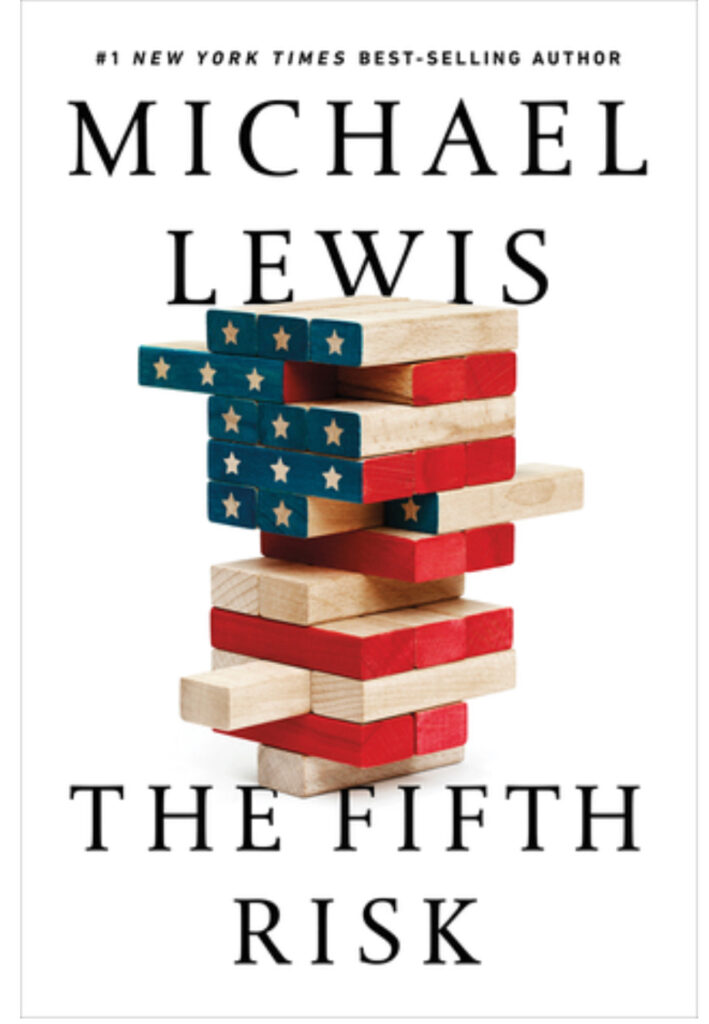
Warning: long read!! So, more and more I find myself realizing just how LITTLE I know and how much there is to learn. Maybe it’s a consequence of aging (like watching more and more PBS?) but anyway, it happens to me a lot, but especially when I was reading The Fifth Risk. I was blown away by how little I knew about crucial government agencies and how they affect our lives. (H/T to Jolynn Dellinger – her review of this book on Goodreads is what motivated me to read it.)
I am recommending this book to you because more than ever I think we all need to be aware of and appreciate the role that our government plays in so many aspects of our lives. Before I go further I will admit that I generally think of myself as a “small government” kind of gal, and someone who is outraged by government waste and excess. Having said that, reading this book gave me a new appreciation for the essential importance of many of the functions of our admittedly massive bureaucracy and of the career professionals at these agencies who are committed to public service.
Lewis has written many great books that I’m sure you’ve heard of, including Moneyball, The Big Short, and The Blind Side. Similarly, this book is wonderfully written and very engaging, even though it focuses mainly on the Trump transition, and on the organization and function of three government agencies: the Departments of Energy, Commerce, and Agriculture.
I had no idea how many important things are handled by the Department of Energy: maintaining and guarding our nuclear arsenal, including tracking and securing plutonium and uranium at loose in the world; training every international atomic-energy inspector; supplying radiation-detection equipment to enable other countries to detect bomb materials; conducting science on nuclear material (a science budget in the billions!), and managing disposal/containment of massive amounts of nuclear waste. So, these are big – some might say, existential – matters. Given that, you might be alarmed at the way Lewis describes the transition of this department. Basically, the department prepared for a year before the election to transition the department in the same way that Bush did for Obama. Let that sink in for a moment – the activities/responsibilities of the DOE are so vast, so varied, and so complex that the employees spent a YEAR preparing the transition materials for their department. Then the election happened, and the DOE was ready the very next day for people from the Trump team to arrive and begin learning. No one came. A month went by. A MONTH. No one came. Then one guy – Thomas Pyle, President of the American Energy Alliance – arrived for a meeting with the outgoing Energy Secretary (Ernest Moniz, a nuclear physicist). He spent ONE HOUR at the agency, took no notes, asked no questions, and seemed disinterested. He left, and never returned. Eventually, Rick Perry was nominated to be Secretary of Energy. Yes, that Rick Perry, who had famously opined that the Department of Energy should be eliminated. (I’ll give Perry the benefit of the doubt and assume that, like me, he had no idea what the DOE really does, and that now that he does know, he’s committed to the mission….). Along with Rick Perry, Trump’s appointments to positions at DOE included many personal associates of his who had absolutely no background in science. In fact, several lacked college degrees, which made them ineligible for the high level government positions to which they’d been appointed.
The story is the same, and equally distressing, for the Departments of Agriculture and Commerce (did you know that the National Oceanic and Atmospheric Administration, NOAA, which oversees the National Weather Service, is a part of the Department of Commerce? Bet you didn’t!). I won’t go into detail here because this is already too long – but I urge you to read the book. I think the bottom line is that the government is engaged in myriad functions that are critical to our daily lives. Most of that work is performed by dedicated civil servants – career professionals – and many of them are highly credentialed scientists. Right now, many of those same professionals are working without a paycheck. We need to value this work and protect it, but we need competent management in order to do that – indeed, that is the “Fifth Risk”: project management.
I wish I had something encouraging to say to wrap this up, but I don’t. I’ve actually had trouble sleeping since I finished this book, but still, I urge you to read it. At this incredibly fraught time in our history, I think we would all be wise to know more about our government, to appreciate the complexities inherent in it, and to require expertise (or even just basic competence?) in those who aspire to lead us.