Earth Abides

I’m so excited today to bring you this guest review, from my friend and law school classmate Jonathan Zasloff. Jonathan is a professor at UCLA Law School, and a recently-ordained rabbi. As you’ll see, he is a wonderful writer and thoughtful reviewer. I hope I can feature his reviews often!

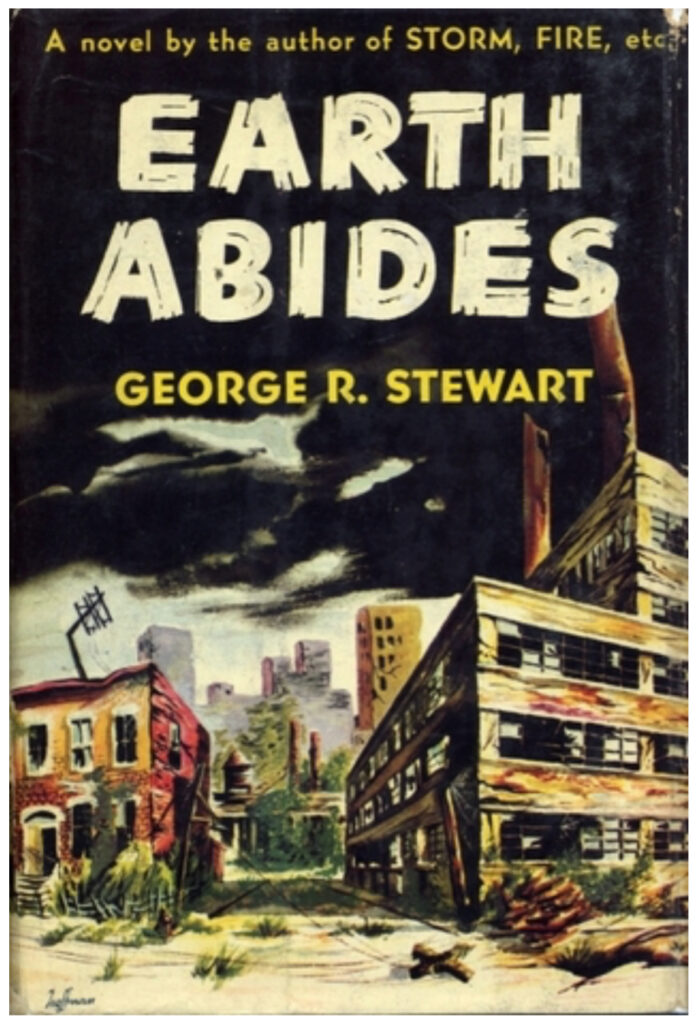
Earth Abides, by George Stewart

Post-apocalyptic literature seems to take on more relevance every day, and since 2016, I have become more and more of a connoisseur of the genre. Earth Abides, originally published in 1949, is something of the Ur-text of the genre.

Isherwood Williams, a geography grad student, discovers that virtually all of the world’s human population has been wiped out by a strange disease, and Earth Abides chronicles the rest of his life, the people he meets, and the community he helps form. What struck me the most about this book is its quietness — even with some awful problems, there are no other great disasters, just a gradual decay. Thus the title, from Ecclesiastes (1:4): “Generations come and go, but earth abides.”

I couldn’t help seeing the Jewish — or at least the Biblical — angle. Isherwood goes by his nickname, “Ish” — which just so happens to be the Hebrew word for “man.” His wife is “Emme,” which just so happens to be awfully close to the Hebrew word for “mother.” His best friend is named Ezra, which just happens to be the Hebrew word for “helper.” In the Bible, Ezra is a scribe, who through force of will recreates the Israelites’ religious civilization. This Ezra does not.

And is that bad? Is it a problem? Suppose civilization peters out. Should we mourn that?

It’s a question that, between the rise of fascism and the warming of the earth, we need to ask more urgently. If the answer is yes, what do we do? I got a little weepy seeing Ish board up the Bancroft Library in Berkeley, knowing that very soon no one will be able to read the precious volumes inside, yet doing it anyway. Later, the rust slowly corrodes the Bay Bridge.
Earth Abides has been in print continuously now for 70 years. It has, well, abided. I wonder whether, in seven more decades, it will lie in an abandoned library, with no one around to read it.
The Better Sister

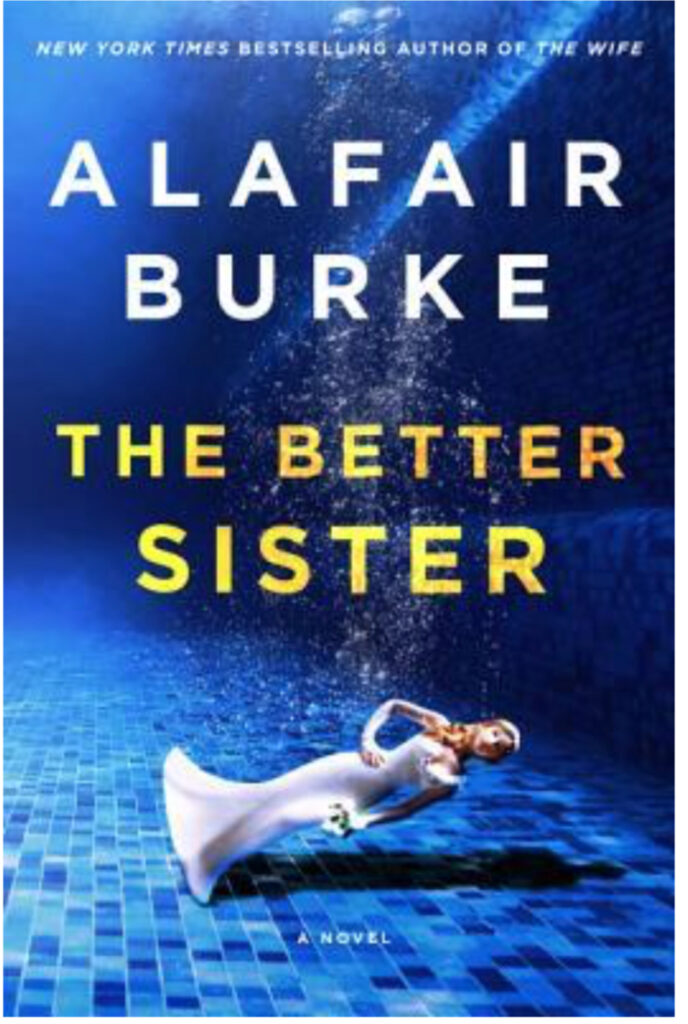
Gave this one 100 pages and had to give up. Hated the characters, did not find much of anything to be plausible. I skipped to the end — and when I realized how the plot wrapped up I was grateful that I stopped reading when I did. Just didn’t work for me at all. Disappointing, because Alafair Burke is a good writer. Your mileage may vary!

Furious Hours

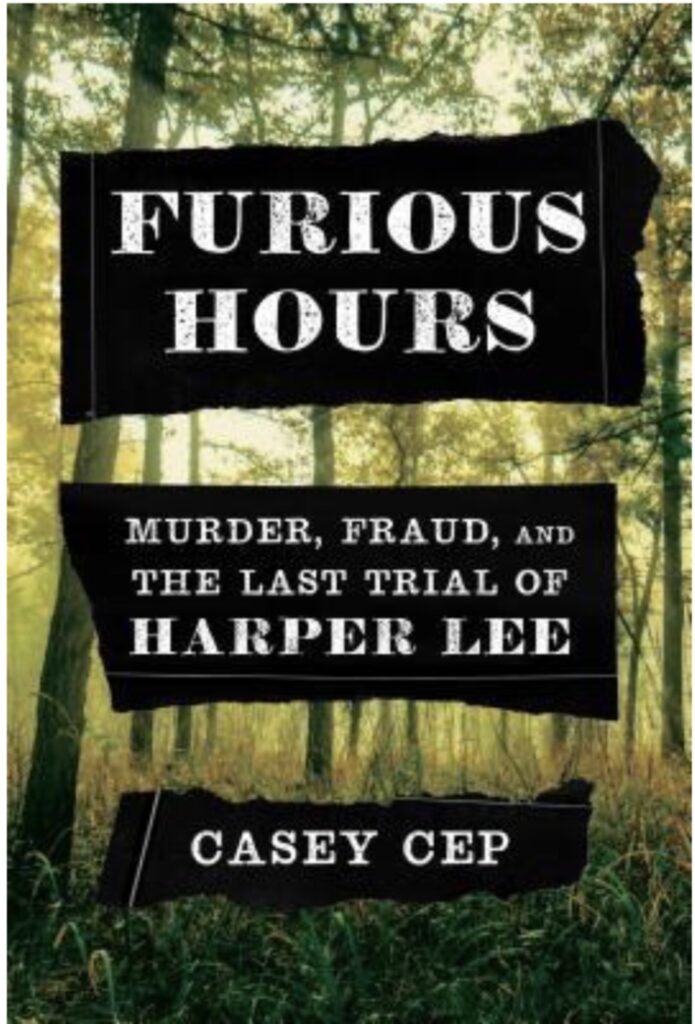
I found this book profoundly frustrating. The parts of it that interested me — like the Maxwell murders — weren’t explored enough, and the parts that seemed extraneous — like Tom Radney’s life story, or the history of insurance — were explored too much. As a result, some of it held my interest and much of it did not.

I’m glad I read it, and I learned a lot about Harper Lee and Truman Capote that I didn’t know before, but overall I didn’t feel like this lived up to the hype.

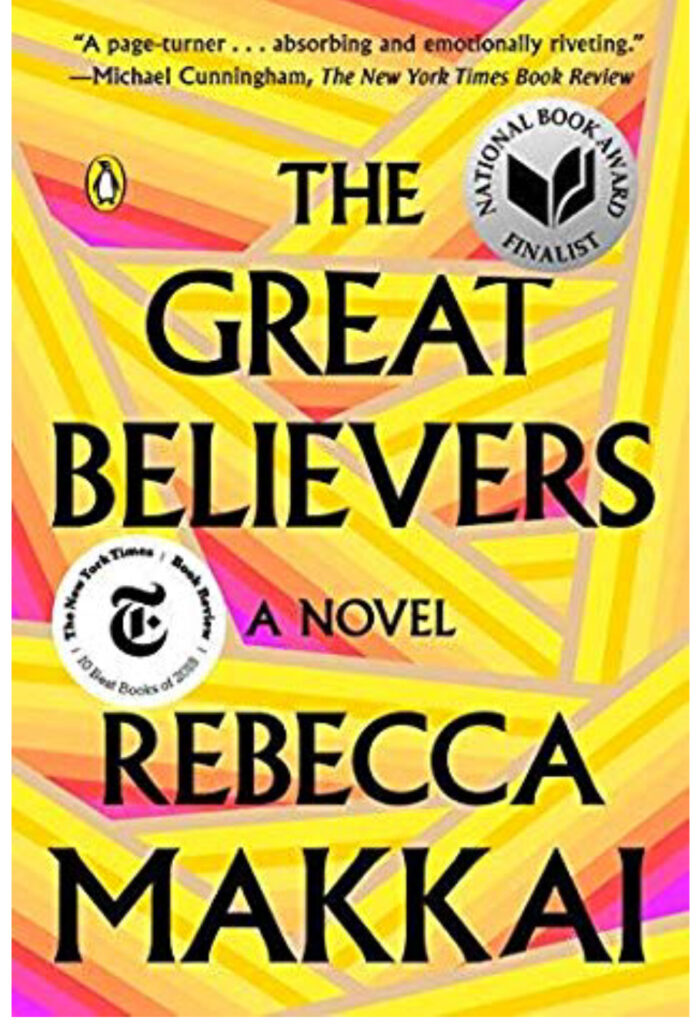
The Great Believers

This was our book club pick for this month. It had been on my to-read list for awhile but I’m so glad I was finally required to bump it to the top of the list!

The Great Believers is an emotional, powerful novel that goes back and forth between the mid 1980’s, as a group of Chicago friends is devastated by the AIDS crisis, and the present day, as those who remain continue to deal with the fallout. I found this book profoundly moving and I think it will stay with me for a long time. It was searing and painful – not at all easy to read.

I really liked this book and highly recommend it. I thought the present-day Paris timeline was less compelling than the 1980s timeline, and that sometimes dragged the narrative down, as did the earlier Paris story. I think both of those storylines could have been streamlined a bit and the novel would’ve been even better. Overall, a wonderful novel and quite an achievement for the author.

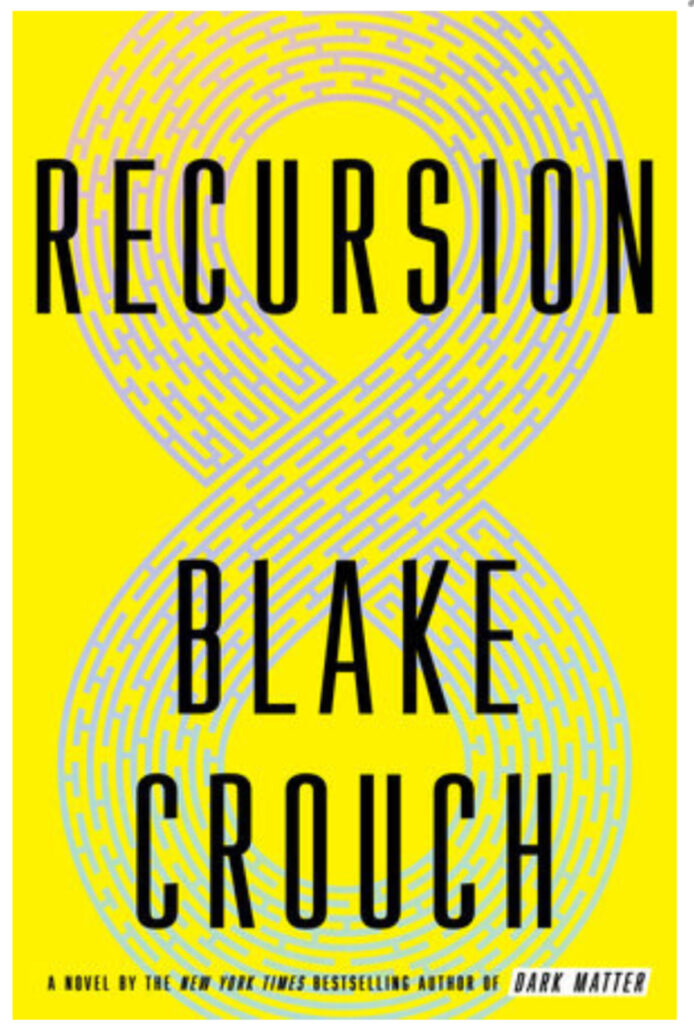
Recursion

In Recursion, NYPD detective Barry Sutton investigates “False Memory Syndrome,” by which people are tortured with memories of a life they never lived. Meanwhile, brilliant research scientist Helena Smith races to find a cure for Alzheimer’s disease before her mother succumbs to the illness. Their paths and timelines cross, as Barry discovers the terrible truth behind the false memories and Helena tries to undo the horrible damage she has unwittingly unleashed.

For me, this novel was kind of like the movie Inception, but in book form, in that I had a hard time following it and I’m still not exactly sure that I understand what happened. That said, I enjoyed it a lot. I found the first half of the book utterly gripping, while the second half was a bit repetitive and probably too long. Still, I really liked this book.

Any story dealing with time travel is tricky. It’s hard to do it well without it seeming gimmicky or falling into all sorts of logistical problems. I think Recursion largely succeeds, though as with all time travel stories, it’s probably best to enjoy the story and not overthink the science. I think I enjoyed the book mostly because I was drawn to the characters and wanted to see how their stories ended.

Recommended!

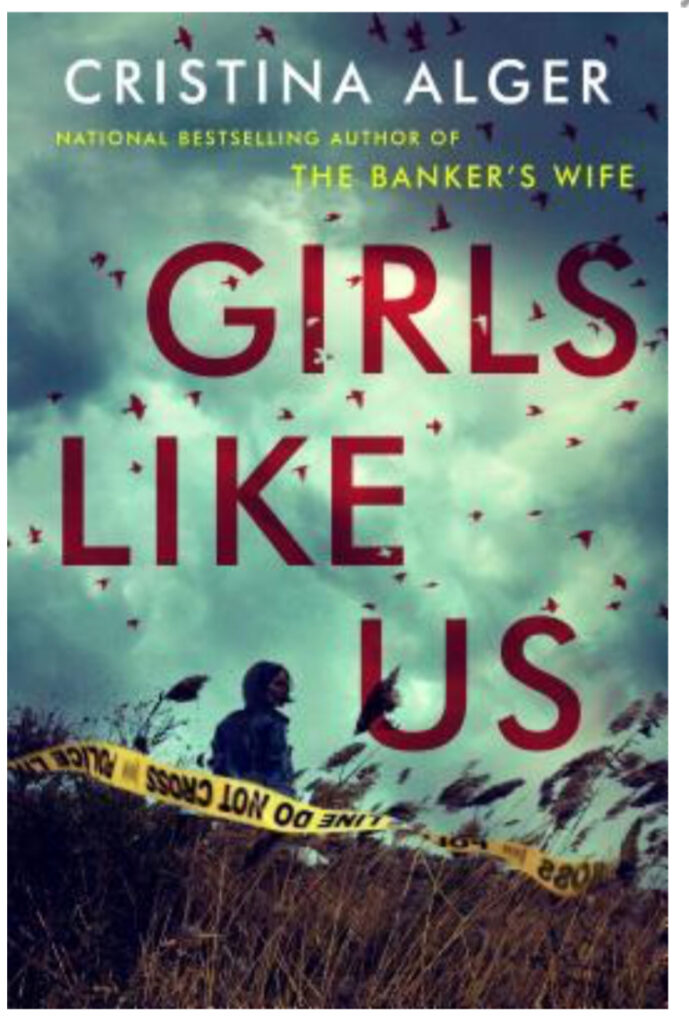
Girls Like Us

Available July 2!

Thanks to Christina Alger, Penguin Group/Putnam, and Netgalley for providing me with a digital advance copy of this novel. Girls Like Us should be on the to-read list of all mystery lovers! I loved this book – a layered, beautifully written, complicated mystery that kept me guessing and hooked until the last page.

FBI Agent Nell Flynn is estranged from her father, a Long Island homicide detective. She hasn’t been back to her hometown in ten years, but she returns after her father’s sudden death, and finds herself pulled into an investigation of multiple murders. Was her father involved? Are the recent murders somehow related to the murder of her own mother, decades earlier?

I particularly enjoyed all of the strong, smart female characters in this novel. I was sorry for it to end! I look forward to reading more from this author in the future, and I hope this is the beginning of a new series.

Highly recommend!!

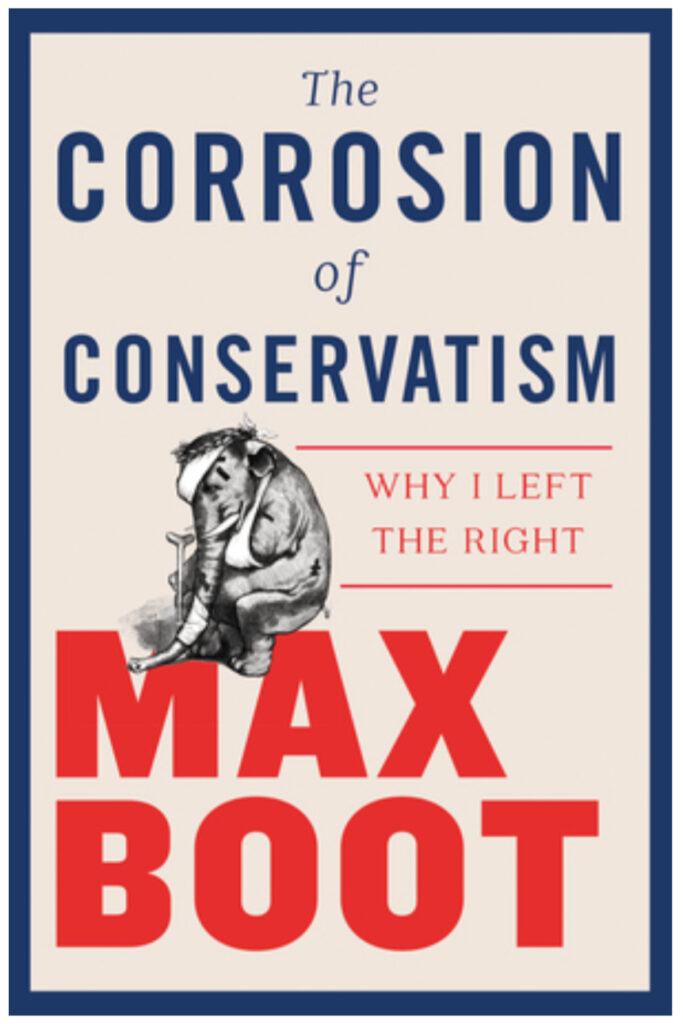
The Corrosion of Conservatism

I, like Max Boot, find myself “politically homeless,” so this book really spoke to me and in many ways echoed my own political journey. Boot is an excellent writer and historian, and this is an enjoyable read, though anyone who closely follows the news may find some of his detailed descriptions of recent events a bit tedious. Lots of food for thought here, especially for those who are disillusioned with the current Republican party.

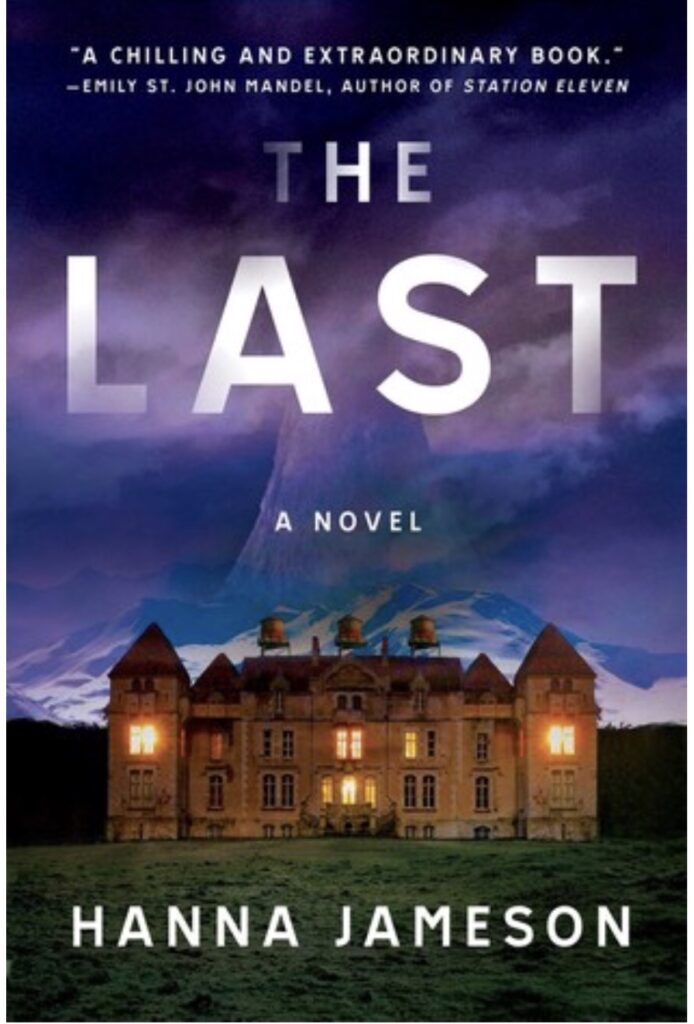
The Last

Disappointed in this one – good dystopian hook, unevenly executed. I had so looked forward to this book and was excited to get it from the library, especially since it was recommended by Emily St. John Mandel, who wrote one of my all-time favorites, Station Eleven. Sadly, it did not live up to that comparison.

The Last follows a group of people who are stranded at a hotel in the Swiss Alps following a nuclear war. Great hook! But it just didn’t work for me: at times I was bored, other times confused. I did not find the characters likable, and so I wasn’t really rooting for anyone. People spent a LOT of time zoned out doing drugs and just generally laying around – for a doomsday scenario, it didn’t make a lot of sense to me. And the ending – didn’t love it.

I feel like this could have been so much better. Pass.

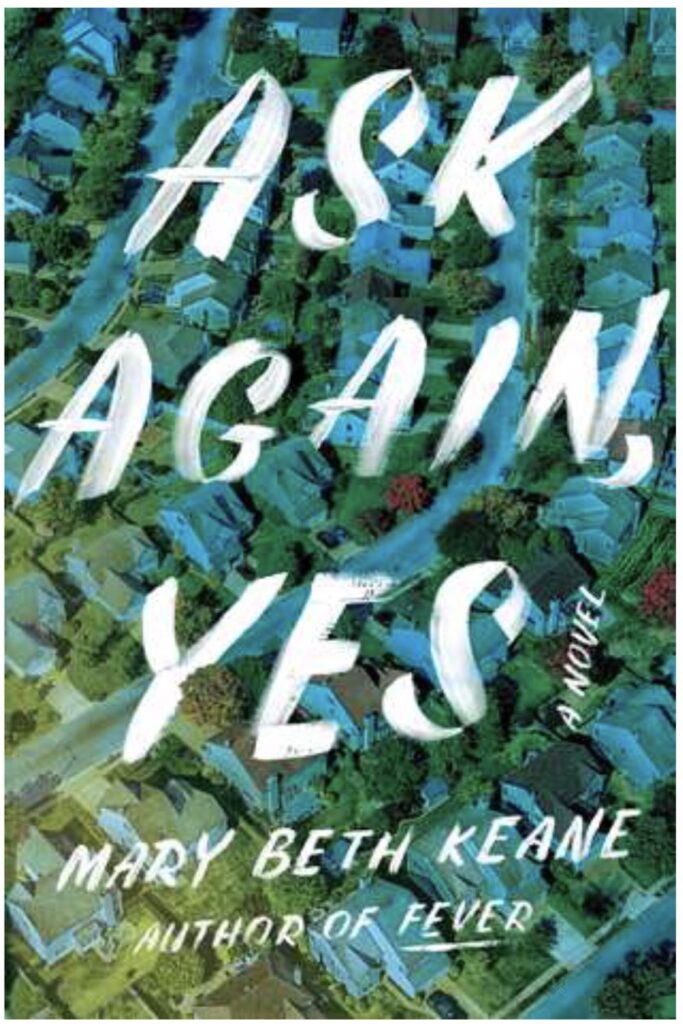
Ask Again, Yes

Touching family saga, centered around the love story of childhood sweethearts. I was so invested in the characters that I couldn’t put it down – I needed to know how it ended!

This novel is beautifully written, heartbreaking, and insightful. I need to look up Keane’s previous novels – I hope they are just as good!

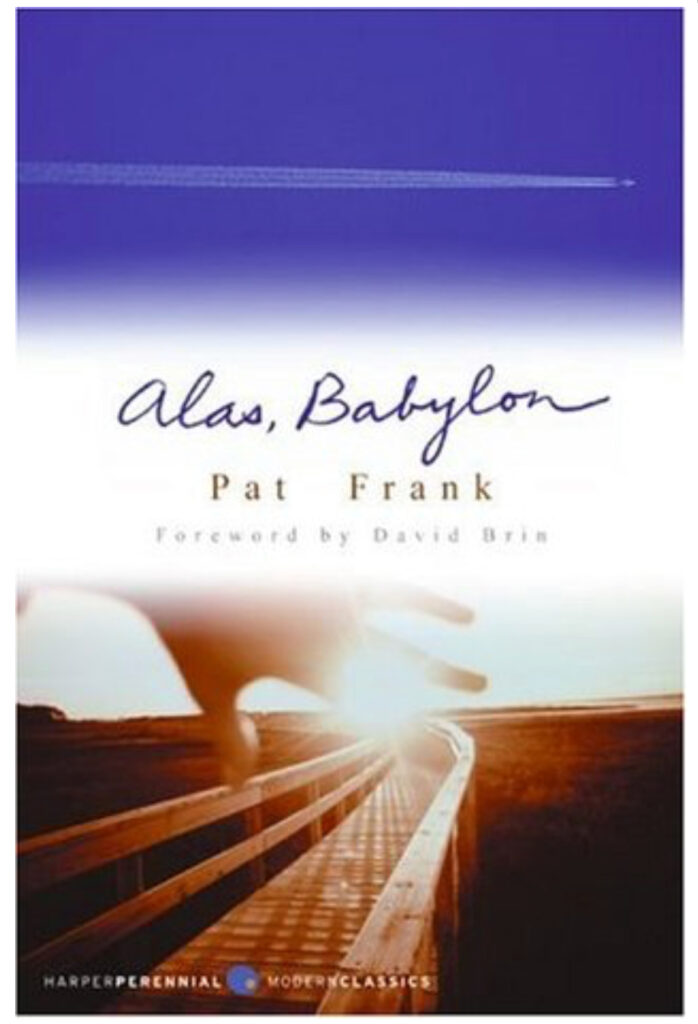
Alas, Babylon

This was one of my daughter’s choices for 10th grade summer reading. It sounded interesting and I was surprised that not only had I not read it, I hadn’t heard of it before.

Set in the late 1950’s when fears of a nuclear war with Russia were high, this novel follows the story of a handful of people in the small Florida town of Fort Repose as they try to survive in the aftermath of a nuclear war.

I’m always drawn to these post-apocalyptic novels because I’m fascinated by the details of how people would survive in these dystopian scenarios. Here, the details are interesting because even though this book was written over 50 years ago, before so many modern technological advances like cellphones, the basics of survival seem like they would be the same even today. I was interested in the story and the characters, and wanted to see how the book ended.

That said, I think the novel is limited by a few things: 1) while fitting with the time the novel was written, many of the characters are stuck in (now) outdated gender and race roles, which I found jarring. The racism and the language associated with that is pretty horrifying. The women in the story, while quite capable, are confined to cooking and sewing, and often utter diaglogue that – in context – just seems silly. A lot of “oh, darling!” and that sort of thing; 2) the character development is quite superficial and I think the novel could’ve been much more impactful if the feelings of the characters had been explored more; and 3) I felt that the novel underplayed the likely horrors of the aftermath of a nuclear war. In that respect, the travails of Fort Repose seem almost quaint.

Glad I read it, as it is a classic of the genre, but not sure I can enthusiastically recommend it. I’ll be interested to see what the 10th graders and their teacher have to say about it!